

Quick answer
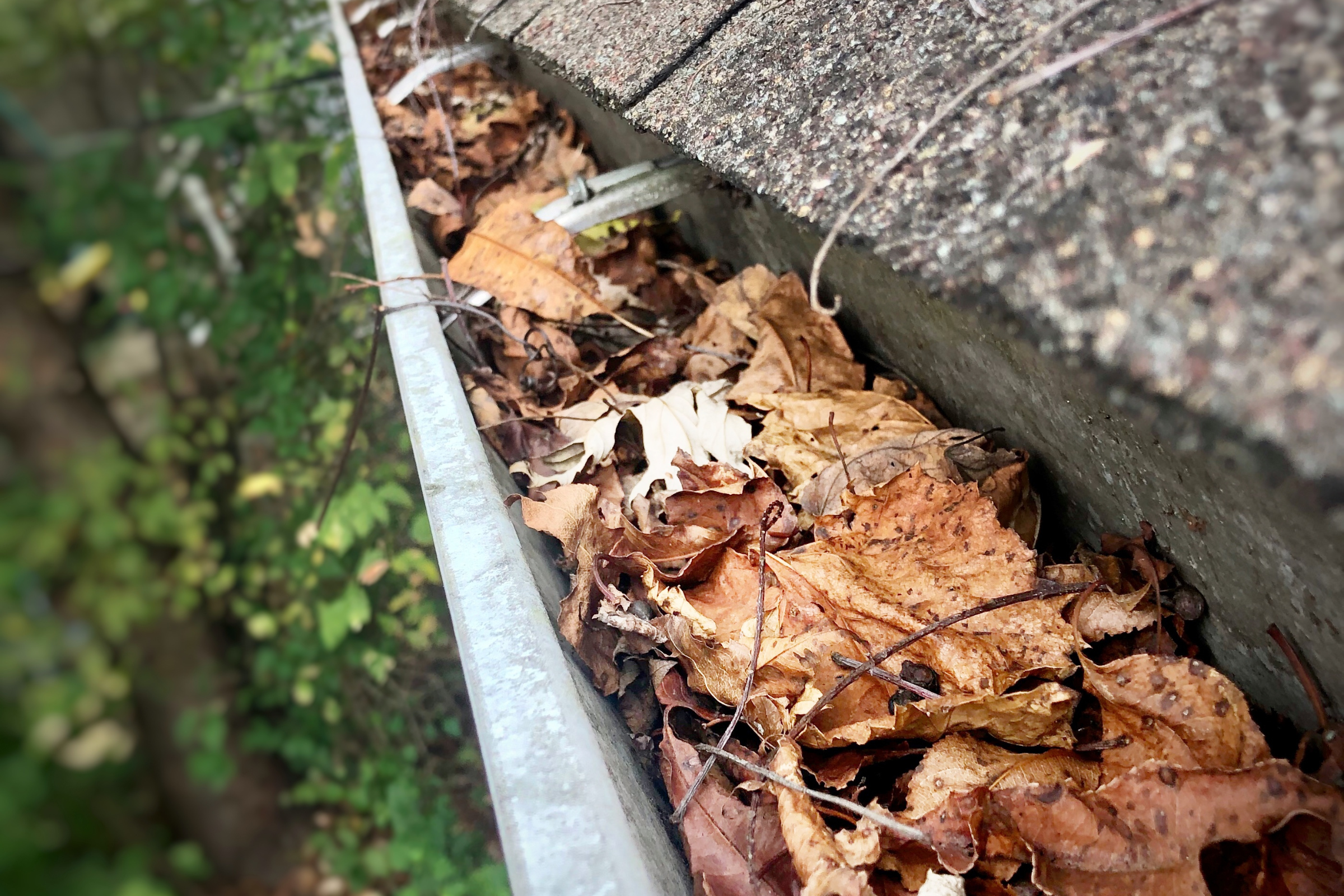
How often to clean gutters in Sunnyvale and on the Peninsula: Twice a year for most homes, once in late April or May after the oak leaf and catkin drop, and once in the second half of November after the deciduous trees are bare and before the rain gets steady. Homes under redwoods, pines or a big coast live oak usually need a third visit in late summer, when needle drop peaks. The reason is the local trees: they do not all drop at once, so a gutter cleaned only in November spends the rest of the year filling back up. Call (650) 600-0598 or get a free quote.
Two kinds of trees, one rainy season
Why once a year does not hold up on the Peninsula
Most gutter advice is written for places with one big autumn. The leaves come down over a few weeks, you clean up, and you are set. Sunnyvale works differently.
Our streets and yards mix two kinds of trees. Deciduous trees like London plane, sycamore and sweetgum drop in the fall. Evergreens like coast live oak, magnolia, redwood and pine shed a little all year and a lot in spring and late summer. Most blocks have both, so something is always landing on the roof.
Then there is the timing of the rain. Nearly all of our rain falls between November and April, with January usually the wettest month. Debris that lands in spring and summer sits in a warm, dry gutter for months and packs down into something closer to soil than leaves. When the first real storm hits, the water is not pushing through loose leaves. It is running into a dam.
Plenty of the rooflines we see across the Peninsula are still carrying the gutters they were built with. Those systems were never sized for the way the rain arrives now, so they have less room for error when the outlets are half blocked.
What a once-a-year schedule misses
- The spring oak drop and catkins, which sit in the trough all summer.
- Late-summer redwood and pine needles, which mat into a felt layer.
- Sweetgum seed balls that keep falling after a November cleaning.
- Sycamore seed fuzz that clogs anything with a screen or filter.
- Small damage like a loose hanger or a dried-out corner seal, caught a season late.
- The early storm that arrives before your once-a-year visit does.
The local drop calendar
What lands in Peninsula gutters, tree by tree
Each tree sheds on its own clock and clogs a gutter in its own way. Find the ones over your roofline.
| Tree | What it drops | When | Why it clogs |
|---|---|---|---|
| Coast live oak | Last year’s leaves and stringy catkins | Spring, as new growth comes in | Small, stiff, curled leaves wedge into downspout openings, and catkins mat when damp |
| Sycamore and London plane | Seed balls in spring, big flat leaves in fall | Spring and fall | Seed balls break into a fine fuzz, and a few big leaves can cover an outlet on their own |
| Sweetgum (liquidambar) | Spiky seed balls and leaves | Late fall into winter | Seed balls do not break down or flush. They roll into downspouts and stay there. |
| Redwood | Fine needles and small cones | All year, heaviest in August and September | Needles pass straight through coarse screens and knit together into a mat |
| Pine | Needles and cones | All year, with a late-summer flush | Needles bridge across outlets and trap everything behind them |
| Magnolia | Large leathery leaves and seed pods | A little all year | Big leaves lie flat over the outlet like a lid |
| Ornamental pear | Petals, then leaves | Spring bloom, fall drop | Wet petals mat into a slick layer over the outlets |
The tree that catches people off guard
Coast live oaks are evergreen, so it is easy to assume they never make a mess. They do. They just do it in spring, dropping last year’s leaves as the new ones come in, along with catkins that cover cars and patio furniture. Add sycamore and London plane seed fuzz and you get the main reason a fall-only cleaning falls short here. If a big oak hangs over your roof, the spring visit is not optional.
Needles change the guard question
Fine redwood needles slip straight through coarse gutter screens. Plenty of homeowners with basic screens are surprised to find their gutters full underneath. If needles are your main problem, the type of gutter guard matters more than whether you have one. BroGuard fine metal mesh keeps oak leaves, pear petals, seed pods and needles out, and it carries a limited lifetime warranty when installed with new gutters.
Spring, summer, fall, winter
Season by season on the Peninsula
What to expect each season and the few things worth doing about it.
Spring: March through May
This is the season that surprises people. Oak leaves, catkins and sycamore fuzz all come down at once, and they are light enough to slip past screens that stop bigger leaves. Clean, or schedule a cleaning, once the drop finishes, usually late April into May. Flush each downspout with a hose and confirm water comes out the bottom, clear any mat sitting on top of guards, and check that downspout extensions still point away from the foundation after the winter storms.
Summer: June through August
Summer is dry, which makes it the best time to find problems before the rain does. Walk the house and look for sagging sections, separated seams and gutters pulling away from the fascia. Check for peeling sealant at inside and outside corners, the most common leak points, and look for a visible water line that shows a run has lost its slope. Book any gutter repairs now, while the roof is dry and schedules are open. If a redwood or pine is close, plan the late-summer visit for the needle flush.
Fall: September through November
Now the deciduous trees take their turn. Big plane and sycamore leaves, sweetgum seed balls and the summer’s needle carryover make this the biggest load of the year. Timing matters more than anything. Clean too early and the trees refill the gutters before the rain starts. Clean too late and the first storm finds them full. For most Peninsula homes the best window is mid to late November, the most important gutter cleaning of the year. Make sure the downspout openings get cleared, not just the trough.
Winter: December through February
Winter is mostly watching, and the best time to watch is during a real storm. A few minutes at the window in heavy rain tells you more than an hour on a ladder in July. Stay off ladders and the roof while things are wet.
- Water spilling over the front edge means a clog or a downspout that cannot keep up.
- Drips at corners and end caps mean a seam that needs resealing.
- Erosion or a puddle at a downspout means the water is not carried far enough.
- Any section that overflows goes on the list for when the weather clears.
The simple version
Set your own Peninsula gutter schedule
If you would rather not track which tree drops what, this rhythm works for most homes from Santa Clara to San Mateo.
- Spring reset.Late April or May, once the oak leaves, catkins and seed fuzz are down.
- Summer walk-around.June or July, from the ground. Look for sags, gaps and dried-out corner seals and book repairs.
- Needle visit if needed.Late summer for homes under redwoods, pines or heavy overhanging branches.
- The main cleaning.The second half of November, after the leaves and before the rain gets steady.
- Watch the first big storm.Overflow or a dry downspout tells you what to fix before January.
- Adjust next year.If a run overflowed, add a visit or a guard for that section.
When an early storm beats the schedule
Some years a big storm arrives before the trees are done. If one is on the forecast in October and your gutters are already holding a summer’s worth of needles and spring oak leaves, do not wait for late November. Get the outlets and downspouts cleared first, then do the full cleaning after the leaves are down. Our rain-ready checklist for Peninsula homes covers that pre-storm pass step by step.
By neighborhood
Flat lots in Sunnyvale and Santa Clara with a street tree or two usually do fine on two visits. Older neighborhoods with mature canopy, like Los Altos, Old Palo Alto and Menlo Park, often need three. In the wooded hills of Los Altos Hills and Woodside, dry needles in the gutter during the long dry season are also ember fuel, so keeping the trough clear matters for fire safety, and our fire zone gutter check is built for those homes.
That is the idea behind our gutter maintenance program. The visits are scheduled around the local drop calendar, so nobody has to remember. If you would like a straight answer about your own roofline and trees, we will come take a look and tell you what we see.
Want a schedule built for your trees? Call (650) 600-0598
Get a Free QuoteFrequently Asked Questions
Twice a year for most homes: once in late spring after the oak leaf and catkin drop, and once in late fall after the deciduous trees are bare. Homes with redwoods, pines or heavy tree cover often need a third cleaning in late summer.
Mid to late November is the most important window, after most leaves are down and before the rainy season settles in. Late April into May is the second key window.
Coast live oaks shed their old leaves in spring as new growth comes in, and oaks release catkins at the same time. Sycamore and London plane seed fuzz adds to it. It is the main reason a once-a-year fall cleaning falls short here.
No. Guards cut down on what reaches the trough, but debris still collects on top of them, and coarse screens let fine needles through. Guards reduce maintenance; they do not eliminate it.
Through coarse screens, yes. Fine redwood needles pass straight through and collect underneath. A fine metal mesh like BroGuard keeps them out, which is why the guard type matters most when needles are the problem.
They are hard and spiky, they do not break down, and water will not flush them. They roll along the trough into the downspout opening and lodge there, which is why the fall cleaning has to clear the outlets, not just the gutter.
Free quotes
Ready for a gutter schedule that fits your trees in Sunnyvale and on the Peninsula?
Free, no-pressure written estimates from your local Sunnyvale crew. Cleanings timed to the local drop calendar, repairs while it is dry, and BroGuard fine metal mesh for homes under redwoods, pines and oaks.
The Brothers That Just Do Gutters · Sunnyvale · (650) 600-0598 · Serving Sunnyvale, CA and the Peninsula, from Santa Clara to San Francisco
Licensed, Bonded & Insured · California Contractor License #1123680